Physiological sensing by nuclear condensates
We study how pH and related environmental cues alter the physical state of transcriptional and chromatin-regulatory assemblies.
Tissue physiology · Nuclear organization · Immunity
We investigate how physicochemical features of tissue environments are sensed and encoded by transcriptional, chromatin, and translational systems to control inflammation and cell fate.
Explore our researchJoin the lab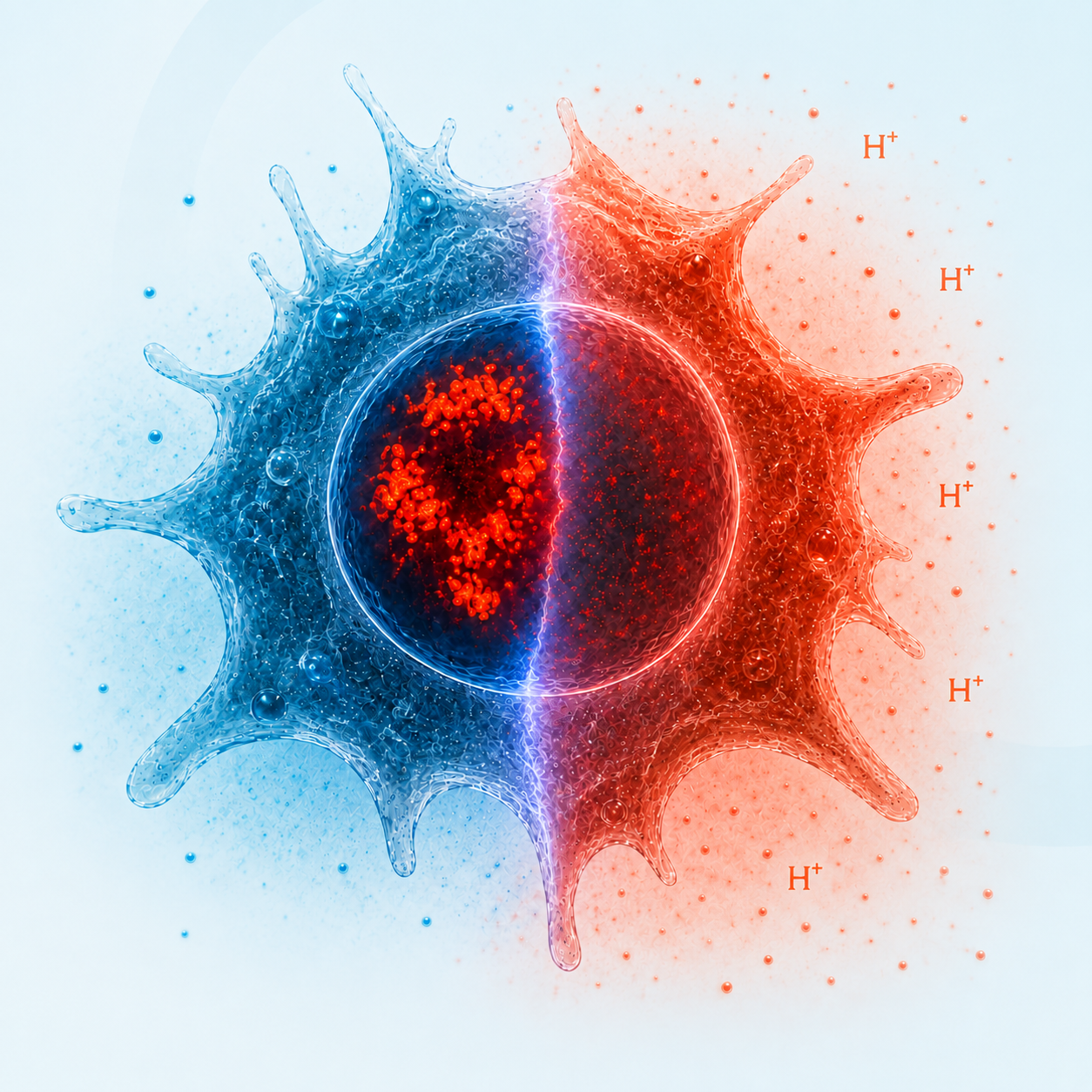
Research
Tissues are dynamic physicochemical environments. We seek general principles that explain how physiological variables reshape gene-regulatory machinery and guide immune-cell adaptation.
We study how pH and related environmental cues alter the physical state of transcriptional and chromatin-regulatory assemblies.
We investigate how environmental states are encoded in chromatin organization, transcriptional dynamics, and lasting inflammatory programs.
We explore how tissue physiology influences macrophage and monocyte state, differentiation, function, and disease-associated behavior.
People
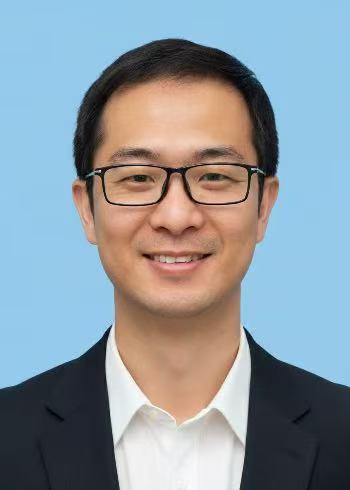
Professor and Principal Investigator
Zhongyang Wu is a professor and Principal Investigator in the Division of Life Sciences and Medicine, and the State Key Laboratory of Immune Response and Immunotherapy at the University of Science and Technology of China (USTC). He grew up in Jiangxi, China, and earned his B.S. from Nanchang University. He received his Ph.D. from Tsinghua University with Dr. Xiaohua Shen, studing epigenetic regulation in stem cells. He then completed his postdoctoral training with Dr. Xu Zhou at Boston Children’s Hospital and Harvard Medical School, investigating how immune cells sense and respond to environmental pH.
Since 2026, the Wu Lab has sought to understand how the physicochemical properties of tissue microenvironments reshape tissue niches and regulate myeloid-cell development, function, and adaptation through the physical organization of gene-control machinery.
Outside the lab, Zhongyang enjoys calligraphy, cooking, and playing badminton.
Selected publication
Wu Z., Pope S.D., et al. This study identifies transcriptional condensates as intracellular pH sensors that translate tissue acidity into gene-specific inflammatory responses.
News
The Wu Laboratory welcomes applications from postdoctoral fellows, Ph.D. students, and master’s students interested in tissue immunology, biomolecular condensates, and immune-cell adaptation.
Join us
We welcome inquiries from motivated postdoctoral fellows, Ph.D. students, and master’s students interested in immunology, gene regulation, chromatin biology, and the physical organization of cells. Please email a CV and a brief description of your research interests.
Contact
Yisuan Building, West Campus
University of Science and Technology of China
Hefei, Anhui, China